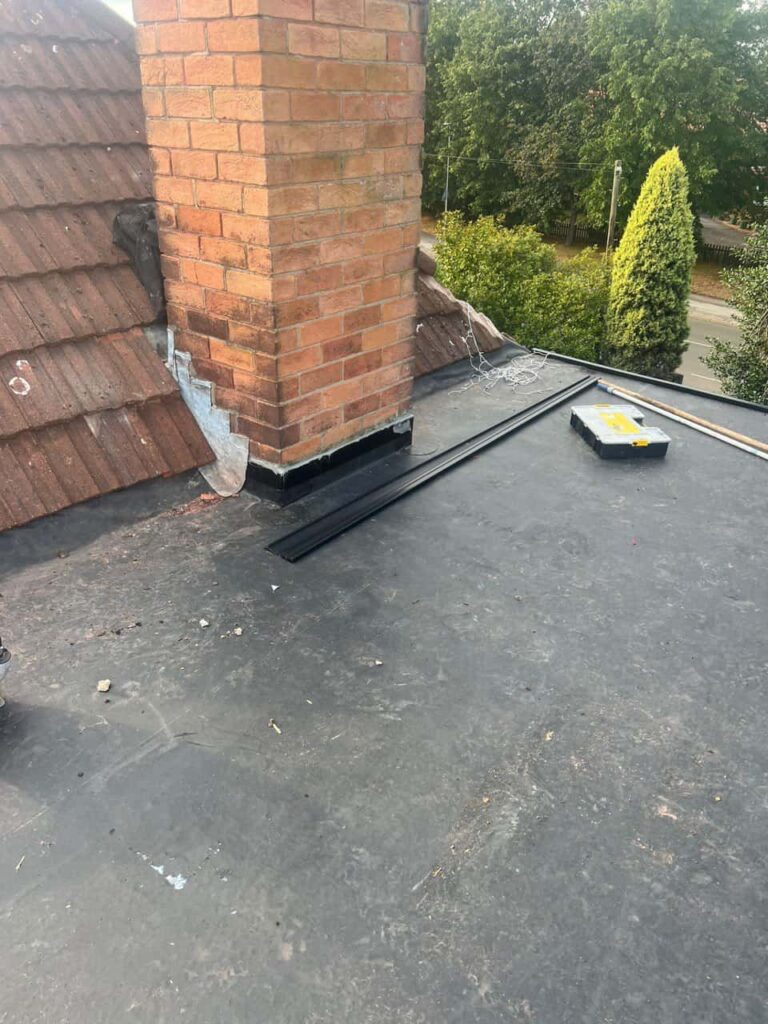
High winds and severe weather can place enormous pressure on a roofing system, often causing damage that is not immediately visible from ground level. Even minor storm-related problems can quickly worsen if left untreated, leading to leaks, structural deterioration, and costly internal damage. In Sawston, Cambridgeshire, homeowners should inspect their roofs carefully after periods of strong winds to identify any signs of storm damage before larger problems develop.
At Sawston Roofing Repairs, we provide professional storm damage inspections and roofing repair services designed to restore roof safety, prevent water ingress, and protect homes from further weather-related deterioration.
Why Storm Damage Should Never Be Ignored
Small roofing problems can escalate quickly
High winds may loosen tiles, damage flashing, or weaken roof structures even if the damage initially appears minor.
Untreated storm damage can lead to:
- Roof leaks during rainfall
- Water penetration into loft spaces
- Structural weakening over time
- Internal damp and ceiling damage
Prompt professional assessment helps reduce the risk of long-term roofing problems.
Check for Missing or Slipped Roof Tiles
Tiles are often the first part affected by strong winds
Roof tiles and slates can become displaced or loosened during storms, particularly on older roofs or roofs already showing signs of wear.
Warning signs include:
- Visible gaps in the roof covering
- Tiles found on the ground around the property
- Uneven rooflines after storms
Even a single missing tile can expose the roof structure to water ingress.
Inspect Ridge Tiles and Roof Edges
High winds place pressure on exposed roof areas
Ridge tiles and roof edges are especially vulnerable during severe weather conditions.
Storm damage may cause:
- Loose ridge tiles
- Cracked mortar along roof ridges
- Movement at roof edges and verges
These issues should be repaired quickly to prevent further sections becoming unstable.
Look for Damaged Flashing
Flashing protects vulnerable roof junctions
Lead flashing around chimneys, valleys, and roof joins can lift or crack during high winds.
Damaged flashing may result in:
- Water entering around chimneys
- Leaks near roof junctions
- Damp patches inside the property
Professional inspection helps identify flashing damage that may not be visible from ground level.
Check Gutters and Downpipes
Storm debris can affect roof drainage
Strong winds often carry leaves, branches, and debris into guttering systems.
After storms, homeowners should check for:
- Blocked gutters
- Detached gutter sections
- Overflowing rainwater during rainfall
Damaged drainage systems can contribute to water damage around the roofline and external walls.
Inspect the Loft for Signs of Water Ingress
Some storm damage is hidden inside the property
Even if the roof appears intact externally, leaks may already be developing within the loft space.
Common internal warning signs include:
- Damp insulation
- Water stains on roof timbers
- Dripping during rainfall
- Musty or damp smells
Early detection helps prevent more extensive structural damage.
Fallen Branches May Cause Hidden Roof Damage
Impact damage is not always immediately obvious
Branches and airborne debris can crack tiles or damage roofing materials without causing immediate leaks.
Hidden problems may include:
- Hairline cracks in tiles
- Weakened roof structures
- Displaced flashing or mortar
Professional roof inspections help identify damage that may worsen over time.
High Winds Can Weaken Older Roofs Further
Ageing roofing materials are more vulnerable
Older roofs often experience more severe storm damage due to existing wear and weakened structural components.
Vulnerable areas may include:
- Ageing tiles and slates
- Worn mortar joints
- Deteriorating underlay
- Weak roofline structures
For homes in Sawston, Cambridgeshire, routine roof inspections become especially important after severe weather.
Why Professional Roof Inspections Matter
Some storm damage is difficult to spot safely
Climbing onto a roof after high winds can be dangerous and may not reveal underlying structural issues.
Professional roofing inspections help identify:
- Loose or unstable roofing materials
- Hidden leaks and moisture penetration
- Structural movement or weakness
- Damage to flashing and roofline components
At Sawston Roofing Repairs, we provide professional storm damage assessments and repair services throughout Sawston, Cambridgeshire, helping homeowners restore roofing safety and weather protection quickly and effectively.
Fast Repairs Help Prevent Further Damage
Delaying repairs often worsens the situation
Once roofing materials have been damaged or displaced, the roof becomes increasingly vulnerable to further weather exposure.
Prompt repairs help:
- Prevent water ingress
- Stabilise damaged roofing sections
- Protect roof timbers and insulation
- Reduce the risk of internal property damage
Quick professional action can often prevent more extensive repair work later.
Conclusion
Storm damage can affect roofing systems in many different ways, from missing tiles and damaged flashing to hidden leaks and structural weakening. After periods of high winds, homeowners should inspect their properties carefully and arrange professional assessments if any warning signs appear.
For homeowners in Sawston, Cambridgeshire, Sawston Roofing Repairs provides expert storm damage inspections and roofing repair services designed to restore safety, stability, and long-term weather protection. If your roof has been affected by severe weather, our experienced team can provide reliable advice and professional roofing solutions tailored to your property.
Call us on: 01223 679 993
Click here to find out more about Sawston Roofing Repairs
Click here to complete our contact form and see how we can help with your roofing needs.